Israel’s shelter dating idea triggers criticism online
Israel launches ‘bomb shelter dating’ app during Iran war, sparks online backlash
A new and unusual idea from Israel has created debate on social media during the ongoing conflict in West Asia. As tensions grow after attacks involving Iran, Israel, and the United States, Israeli officials have spoken about several tools designed to help people deal with daily life during missile attacks.
One of these ideas is something called “bomb shelter dating.” The concept is meant to help people meet and talk to each other while they are waiting inside bomb shelters during air-raid sirens.
The idea was shared online by Israel’s foreign ministry. According to the ministry, people in the country are trying to remain creative and hopeful even when missile warnings force them to run into shelters for safety.
In many cities in Israel, air-raid sirens can go off suddenly if there is a threat of incoming missiles. When this happens, people must quickly move to nearby shelters and stay there until authorities say it is safe to come out.
During these waiting periods, people often sit together for several minutes or even longer. The government said the dating app could help people start conversations and interact with others who are also waiting in the same shelter.
The system reportedly works through a QR code placed at the entrance of the shelter. When people scan the code with their phones, they can see who else inside the shelter is single and interested in meeting new people.
Officials said the idea shows that even in difficult times, people still try to find moments of connection. In a message shared online, the ministry wrote that the app helps people see “who’s single even under fire,” suggesting that love and relationships can continue even during a crisis.
The feature is connected to a dating platform called Hooked, which was originally created for speed dating. The platform is now being used in shelters as a conversation starter rather than a traditional dating service.
Supporters of the idea say it is simply a light-hearted way to reduce stress during a frightening situation. Living under the constant threat of missile attacks can be emotionally exhausting, and officials believe small moments of humour or human connection can help people cope.
Some people also pointed out that shelters are often filled with strangers who may not speak to each other otherwise. The app may encourage interaction and make the waiting period feel less tense.
Another person who reacted to the idea was Mike Huckabee. He shared the concept online and joked that one day couples might tell their children that they first met on a dating app while hiding in a shelter from missiles.
Along with the dating feature, Israeli officials also mentioned a few other digital tools designed to help citizens deal with repeated missile alerts.
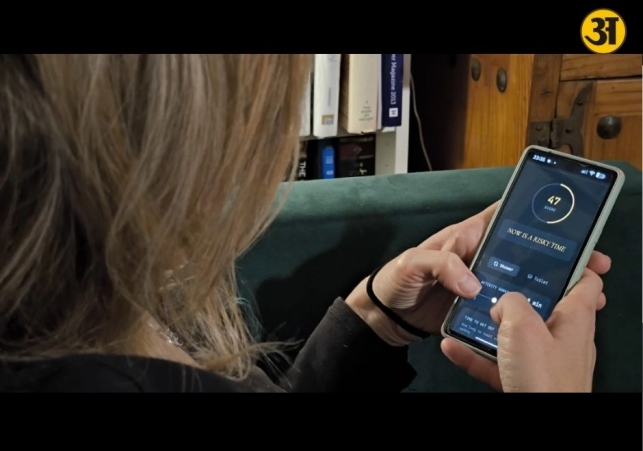
One tool is called a “bomb shelter tracker.” This application records how many times a person has had to run to a shelter during missile warnings. It also estimates how much sleep someone may lose if sirens keep going off during the night.
Another idea is a “shower risk predictor.” This tool studies recent air-raid siren patterns and tries to estimate the chance of another alert happening soon. The goal is to help people decide when it might be safer to take a shower without being interrupted by an emergency warning.
Officials said these tools are meant to help people manage everyday activities while living in a high-risk situation.
ALSO READ: Oil Prices Surge as Iran-Israel War Disrupts Global Energy Supply
ALSO READ: Pakistan raises petrol price by PKR 55 per litre amid Middle East conflict
Online backlash
Despite the explanation from Israeli authorities, the idea of “bomb shelter dating” quickly drew criticism from many people on social media.
Several users said the concept felt inappropriate because the region is currently experiencing serious military conflict and loss of life.
Some critics argued that turning a war situation into something connected to dating or entertainment appeared insensitive. They said many people in the region are suffering and mourning loved ones, so promoting such an idea seemed disrespectful.
One social media user wrote that the concept felt “deeply disturbing,” while another called it “gross,” saying that people are dying and grieving.
Others said that the timing of the idea was the main problem. In their view, focusing on dating during an ongoing conflict sends the wrong message about the seriousness of the situation.
Some comments also expressed anger toward Israeli policies and actions in the region, saying the idea reflected a lack of sensitivity to the broader humanitarian crisis.
At the same time, a few people defended the concept. They said people living in war zones often try to find normal moments in very difficult conditions. According to them, humour, friendship, and relationships can sometimes help people deal with fear and stress.
Experts who study human behaviour during conflict say that people naturally search for ways to feel normal even during emergencies. Simple activities like talking, joking, or meeting new people can sometimes reduce anxiety.
Still, the debate shows how strongly people feel about the ongoing tensions in West Asia. With missile strikes, military responses, and rising fears across the region, even small ideas can quickly become controversial online.
For now, the “bomb shelter dating” concept has become another example of how technology, social media, and war can intersect in unexpected ways. While some see it as a creative coping mechanism, others view it as an inappropriate response to a serious conflict.
The discussion continues to spread online as people around the world react to the unusual idea.
Related News